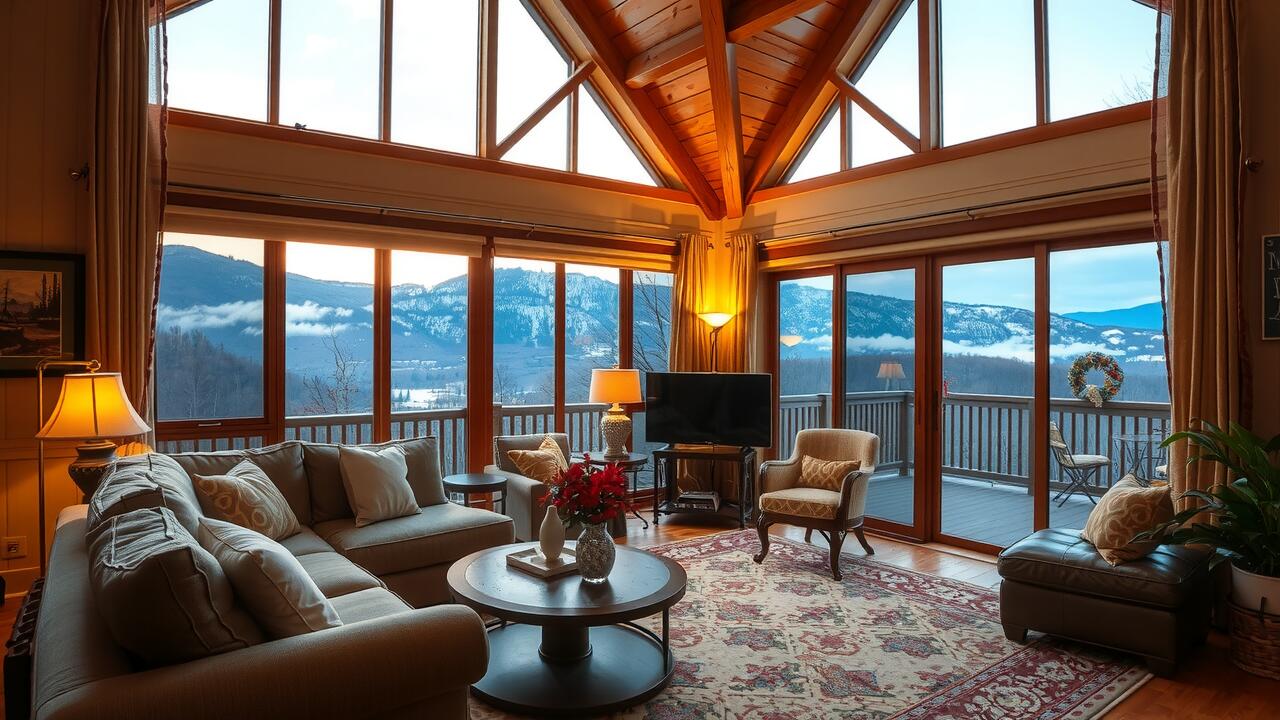
Four or More Bedrooms
Properties with four or more bedrooms often appeal to larger families or groups traveling together. This demand can result in higher occupancy rates, especially during peak holiday seasons. Owners should consider the specific amenities that can enhance the appeal of these larger rentals, such as game rooms, multiple bathrooms, or outdoor spaces. Such features can make the property more attractive to potential guests, leading to increased bookings and overall satisfaction.
In addition to catering to specific group needs, larger properties can command higher rental prices. The potential for increased income is notable, particularly if the location offers attractions suitable for families or large gatherings. Prospective landlords need to evaluate the market and assess whether the investment in additional square footage aligns with local demand patterns, ensuring that their offering stands out among competing rentals.
Maximizing Space for Vacation Rentals
Efficient use of space is essential for successful vacation rentals. Property owners can maximize rental potential by strategically arranging common areas and bedrooms. An open floor plan often creates a sense of spaciousness, making smaller properties feel larger. Additionally, incorporating multifunctional furniture, such as sofa beds or foldable tables, can help accommodate more guests without sacrificing comfort.
Another key consideration involves the outdoor space. Patios, decks, and gardens can enhance guest experience and increase property appeal. Offering amenities like outdoor seating or a fire pit encourages longer stays and higher occupancy rates. By thoughtfully designing both indoor and outdoor spaces, property owners can effectively cater to larger groups while maintaining a welcoming atmosphere.
The Impact of Bedrooms on Property Value
The number of bedrooms in a property significantly influences its market value. Larger homes typically attract higher selling prices due to the increased functionality and potential for family occupancy. Buyers often prioritize space, seeking multi-bedroom homes to accommodate growing families or share living with roommates. Much of this demand is tied to lifestyle choices, where spacious homes are perceived as offering more comfort and convenience. As such, a property with four or more bedrooms may command a competitive advantage within certain market segments.
In addition to the inherent appeal of larger homes, the bedroom count also plays a critical role in appraisals. Many evaluators factor in the number of bedrooms as a crucial metric for determining property worth. Homes with more bedrooms not only provide flexibility in living arrangements but also potential for rental income through short-term or long-term leasing. This increased desirability can influence investment decisions, making it essential for property owners and investors to consider the bedroom count carefully in their strategies.
Correlation Between Bedroom Count and Rental Income
Rental income often correlates with the number of bedrooms a property offers. Properties with multiple bedrooms tend to attract families or larger groups seeking accommodations. The increased capacity can lead to higher nightly or monthly rental rates. This demand for space translates into potential for greater earnings, particularly in markets with strong tourism.
Beyond just the basic correlation, market trends play a significant role in determining rental income based on bedroom count. Properties featuring four or more bedrooms may command premium prices in high-demand areas. Seasonal fluctuations can also influence this dynamic. For instance, larger rentals may see spikes in income during family-centric holidays or events, further illustrating the relationship between bedroom count and potential revenue.
Seasonal Demand for Different Bedroom Counts
The demand for rental properties can fluctuate significantly depending on the time of year and the specific needs of travelers. During peak seasons, larger homes with four or more bedrooms often attract families and groups seeking a place to stay together. Vacation seasons like summer and the winter holidays typically see an increase in this type of demand due to the desire for shared experiences and cost-effective lodging.
Conversely, during off-peak times, properties with fewer bedrooms may fare better. Couples and solo travelers frequently look for more intimate accommodations, such as one or two-bedroom units. Landlords who diversify their portfolio to include different bedroom counts can adapt to seasonal trends, maximizing occupancy and overall rental income throughout the year. Understanding these seasonal preferences allows property owners to make informed decisions about renovations and pricing strategies.
Trends in Vacation and Long-Term Rentals
As the market continues to evolve, trends in both vacation and long-term rentals are becoming increasingly pronounced. In urban areas, a rise in remote work has led to more individuals seeking short-term stays that accommodate a work-from-home lifestyle. This shift is reflected in the demand for properties that offer office space or comfortable work environments within rental units. Many property owners are opting to adjust their listings to attract this demographic, incorporating amenities that cater to professional needs.
Additionally, the concept of family-oriented accommodations is gaining traction in vacation rentals. Families traveling together often seek larger properties that can comfortably house multiple generations. Consequently, rentals with four or more bedrooms are seeing an uptick in popularity as they provide essential space and convenience for larger groups. Property owners are recognizing the importance of highlighting family-friendly features and activities in or around their rentals to enhance appeal in a competitive market.
FAQS
What is the ideal number of bedrooms for a rental property?
The ideal number of bedrooms for a rental property can vary based on location, target market, and rental strategy. Generally, two to three bedrooms are often considered optimal for attracting a wide range of tenants or vacation renters.
How do more bedrooms impact rental income?
More bedrooms can potentially lead to higher rental income, especially in vacation rentals, as larger groups often seek accommodations. However, the increase in income must be weighed against additional costs and maintenance associated with larger properties.
Are vacation rentals more profitable with extra bedrooms?
Yes, vacation rentals with four or more bedrooms can attract larger groups, resulting in higher rental rates and occupancy. However, it’s crucial to assess seasonal demand and competition in the area before investing in a larger property.
How does the number of bedrooms affect property value?
The number of bedrooms can significantly impact property value. Properties with more bedrooms typically have a higher market value, but this can depend on the local real estate market and buyer preferences.
What trends should I consider when choosing the number of bedrooms for my rental?
When choosing the number of bedrooms for your rental, consider current market trends, seasonal demand, and the preferences of your target audience. Research local rental markets to understand what types of properties are in demand.
Related Links
How many tenants can live in a 3 bedroom apartment?Is 3x rent strict?